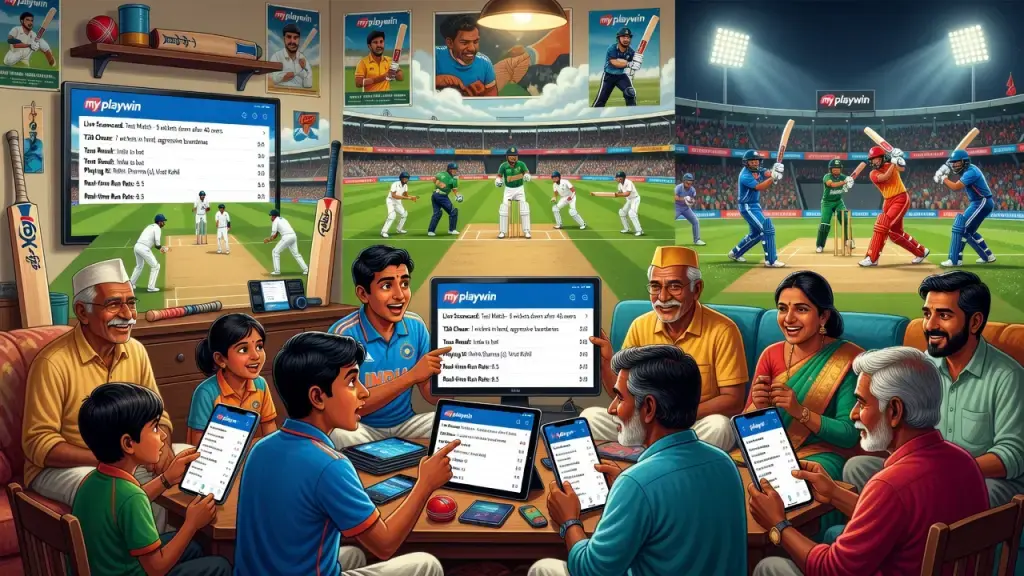
Cricket remains the heartbeat of Indian sport, pulling together millions of fans across Test series, ODIs, T20 Internationals, domestic competitions and franchise leagues. With so many formats running through the calendar, knowing how to follow a fixture properly - not just the final result, but the toss, the playing XI, and the run rate as it unfolds - has become essential for anyone who wants to genuinely understand the game rather than just catch headlines.
For many fans, a working day or college schedule makes it impossible to watch every ball live, which is why a reliable routine for checking match details matters so much. Platforms such as my playwin have become part of how supporters in India stay updated on fixtures, scores and match situations without needing to sit through an entire session. The habit of checking schedules, toss outcomes and team confirmations before settling in to watch has turned casual viewers into far more informed followers of the sport.
Why the Format Changes Everything
Test cricket, ODIs and T20s are built on entirely different logic, and that shapes how a fan should read a scorecard. A team five wickets down after 40 overs in a Test match is a different story to the same position in a T20 chase. Test cricket rewards patience and session-by-session building; ODIs hinge on middle-over partnerships and the balance between risk and preservation; T20 cricket is decided in short, explosive bursts where a single over - a flurry of boundaries or a cluster of wickets - can swing the entire contest. Recognising which format is in play is the first step to reading a match correctly rather than misjudging its pace.
Reading the Scorecard Beyond the Headline Number
A total on its own tells only part of the story. Wickets in hand, the required run rate, and the quality of batters still to come all shape how achievable a target really is. A chase of 60 runs from six overs sounds identical in isolation, but it plays out very differently with seven wickets in hand compared to two. Conditions add another layer - pitch behaviour, dew in the evening, and overhead weather can all tilt a contest that looked settled only an hour earlier. Fans who factor in these variables, rather than fixating on a single figure, tend to follow the ebb and flow of a match far more accurately.
From International Tours to the IPL
India's cricket calendar is unusually dense, moving from international tours and bilateral series to domestic tournaments like the Ranji Trophy and Vijay Hazare Trophy, before franchise cricket takes over with the Indian Premier League. Each tier serves a different purpose: international fixtures carry national pride and series context, domestic cricket is where emerging talent earns recognition, and the IPL blends global stars with homegrown players in a format built for drama. Following all three strands gives fans a fuller picture of Indian cricket's depth, rather than a narrow view limited to whichever format is currently in the spotlight.
Staying Informed Without Falling for Noise
Unconfirmed team sheets, speculative social media posts and out-of-context clips circulate constantly once a match day arrives. The safest approach remains straightforward: trust official playing XI announcements over predicted line-ups, treat the toss result as fact only once confirmed, and rely on verified scorecards rather than screenshots doing the rounds online. Cricket's appeal lies precisely in its unpredictability - a settled match can turn in a handful of deliveries - which is exactly why sound information, not speculation, remains a fan's best tool for following the sport properly.