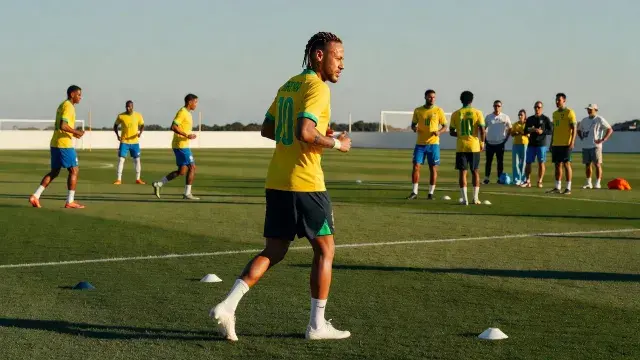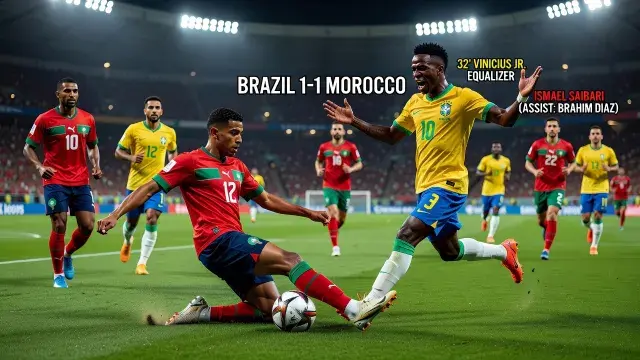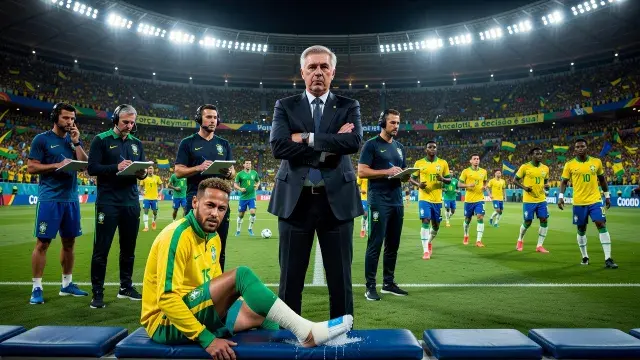
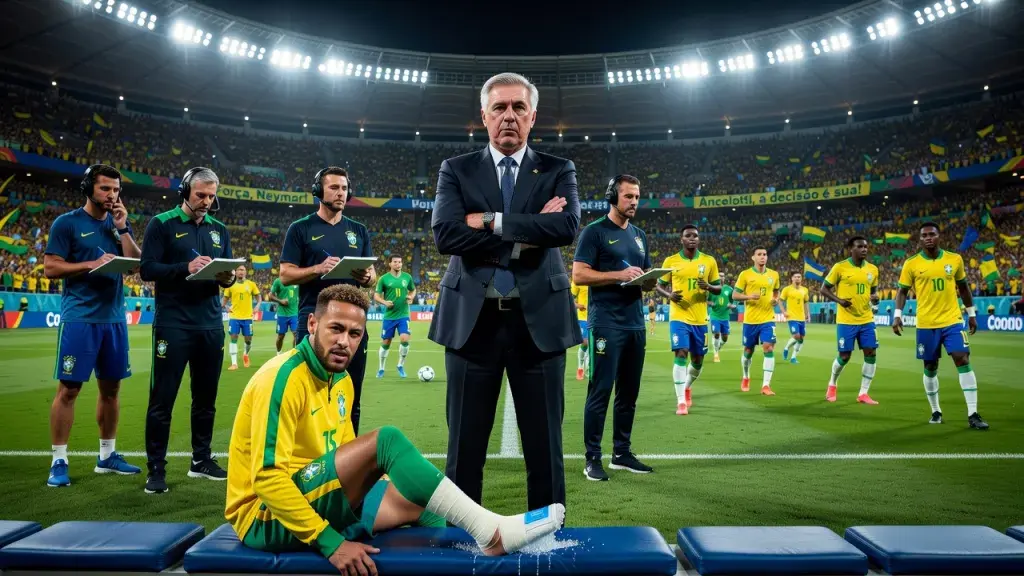
Carlo Ancelotti's decision to include Neymar in Brazil's 2026 World Cup squad has swiftly transformed from a bold statement of faith into one of the tournament's most uncomfortable subplots. The 34-year-old forward, whose injury record over the past several years has been as prominent as his talent, sustained a fresh setback shortly after the squad was named and missed Brazil's opening match. He is also expected to be absent for their second fixture against Haiti, leaving the Italian coach's selection logic under serious scrutiny.
The situation cuts to the heart of a perennial debate in football: when does loyalty to a generational talent become a liability for the collective? Ancelotti's camp would argue that even a partially fit Neymar changes the dynamic of any opponent's defensive preparation. Critics, however, point out that carrying an underprepared player into a World Cup - with all the medical resources and squad harmony that decision consumes - is a gamble the Seleção could ill afford. The broader sports landscape is full of such crossroads moments where sentiment and pragmatism collide, from football to the niche disciplines that attract dedicated followings in futsal betting markets and beyond. For Brazil, this particular crossroads is playing out under the brightest lights in the sport. futsal betting markets
Neymar's history with injury is well documented. Since leaving Barcelona for PSG in 2017, his international availability has been repeatedly disrupted by ankle, hamstring and knee problems. The 2022 World Cup in Qatar offered a painful preview: he limped off during Brazil's first group game and only returned for the knockout rounds, with the Seleção ultimately eliminated on penalties. That tournament left a scar on the Brazilian football psyche, and the current situation risks reopening it. At 34, the physical margins are narrower, recovery timelines are longer, and the expectation of peak performance on demand is no longer realistic in the way it once was.
Ancelotti's Selection Logic and Its Consequences
When Ancelotti took charge of the Brazilian national team, the Neymar question was always going to arrive eventually. Including him in a World Cup squad was not an irrational call in isolation - the player retains enormous quality and his presence carries symbolic weight for a country that has waited over two decades to end its World Cup drought. But selection at a major tournament demands more than potential. It demands readiness. The medical staff's reported concerns about Neymar's physical condition suggest that the coaching staff may have moved ahead of the evidence available to them at the time of the call-up.
That gap between aspiration and physical reality is now a live problem inside the camp. Every day Neymar spends away from training is a day another squad member could have been preparing to contribute. The opportunity cost of his absence - in terms of the player who was not called up to fill that place - is a question that Brazilian football observers are beginning to ask openly.
What It Means for Brazil's Tournament Ambitions
Brazil remain one of the tournament's most technically gifted squads, and the matches against Haiti provide an opportunity to accumulate points without the pressure of elite opposition. But the Neymar situation casts a shadow over the group-stage preparations. Team cohesion, tactical clarity, and the confidence of fringe players can all be affected when one high-profile absentee dominates the daily conversation around a camp.
Ancelotti will need to draw on the managerial experience that has made him one of the most decorated coaches in European football to manage this carefully. The coming days will test not only his squad's depth, but his ability to keep the focus on the football rather than the sideshow. For Brazilian fans whose World Cup hopes have been deferred for so long, the last thing they need is for one player's fitness to define how the tournament is remembered.