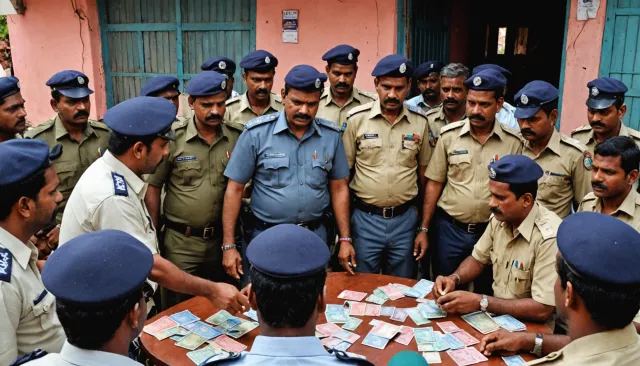
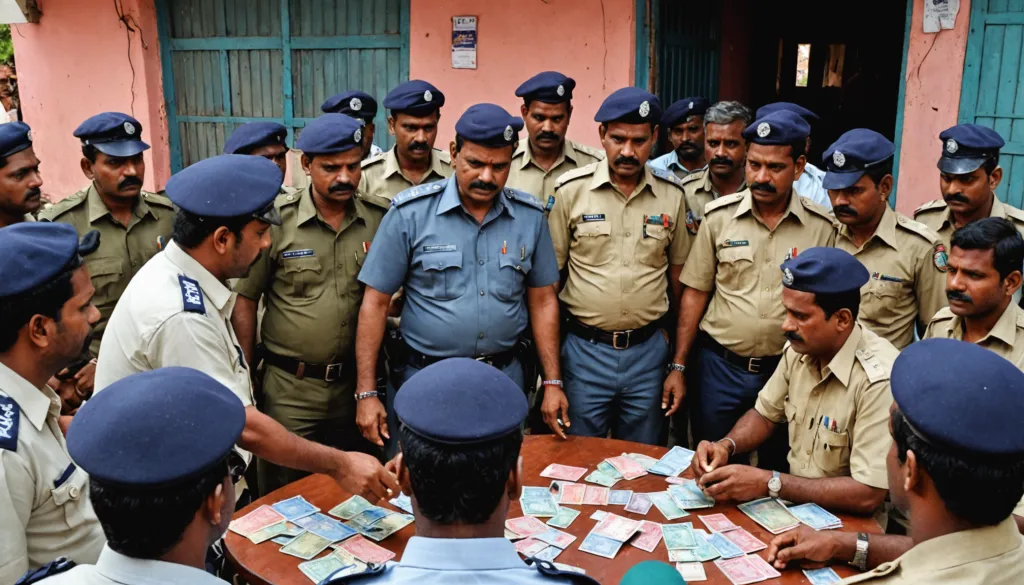
Police conducted a raid on an unauthorized card gambling operation in the Vinayakapuram outskirts of Ashwaraopet mandal on Sunday. The action, led by Sub-Inspector T. Yayathi Raju, resulted in three individuals being detained while others fled the location. Officers seized Rs 1,800 in cash from those apprehended during the operation.
Local Enforcement Against Unauthorized Gambling
Card-based gambling operations often function in informal settings outside regulated frameworks. These venues typically lack required permissions and operate without oversight on participant age, game integrity, or financial transactions. Local police conduct periodic checks to identify and disrupt such activities when they receive information or observe patterns of activity in residential or semi-rural areas.
The raid demonstrates standard procedure for addressing unlicensed gambling locations. Officers arrive, secure the premises, identify participants, and document any cash or equipment present. Individuals who attempt to leave before formal identification face separate charges in many jurisdictions, while those detained provide statements for further investigation.
Regulatory Context for Physical Gambling Venues
Most Indian states maintain specific rules governing where and how card games may be played for stakes. Unlicensed operations violate these provisions regardless of the scale of activity or the amount of money involved. Enforcement focuses on both the operators who organize the games and participants who knowingly engage in prohibited play.
Small-scale raids such as this one form part of ongoing local efforts to limit unauthorized gambling. They rarely produce large seizures or high-profile arrests yet contribute to broader compliance pressure. Repeated operations in the same area can indicate persistent demand that existing regulations have not fully addressed.
Consumer and Community Implications
Participants in unlicensed venues face risks beyond legal penalties. These include potential disputes over winnings, lack of recourse if funds are lost through cheating, and exposure to other criminal activity that may occur at such sites. Cash-based operations also leave no formal record of transactions, complicating any later claims or investigations.
Communities near such locations sometimes report secondary effects including noise, loitering, and occasional conflicts among participants. Local authorities balance enforcement resources between these gambling sites and other public-order priorities. Residents who observe suspicious activity can report it through standard police channels without direct involvement.